Finding yourself humming to French pop or dreaming of nailing Parisian slang? For many music fans across Europe, learning French is more exciting when it comes wrapped in catchy hooks and cultural vibes. Music does more than entertain—it creates a powerful language learning environment that supports memory and connects you with real life expressions. Discover how to set up a space that invites better listening, deeper engagement, and vibrant peer connections through every beat.
Table of Contents
- Step 1: Set Up Your Music Learning Environment
- Step 2: Choose Songs That Fit Your Level
- Step 3: Engage Actively with Lyrics and Vocabulary
- Step 4: Practice Pronunciation with Karaoke Features
- Step 5: Connect with International Peers for Real Practice
- Step 6: Track Progress and Expand Your Song Repertoire
Quick Summary
| Key Point | Explanation |
|---|---|
| 1. Create a Dynamic Learning Environment | Set up a space that inspires language learning with quality audio, minimal distractions, and engaging tools. |
| 2. Choose Songs by Proficiency Level | Select music that matches your language skills, increasing complexity gradually to boost understanding and motivation. |
| 3. Engage Actively with Lyrics | Transform songs into learning experiences by analyzing lyrics, extracting vocabulary, and practicing pronunciation. |
| 4. Utilize Karaoke for Pronunciation Practice | Practice speaking and singing to improve your pronunciation and rhythm in a fun and interactive way. |
| 5. Connect with International Peers | Use music as a bridge to engage with others, sharing insights and practicing language skills through conversation. |
Step 1: Set Up Your Music Learning Environment
Creating a dynamic environment for learning French through music is about crafting a space that inspires and motivates your language journey. The key is transforming your personal area into a multimedia language learning hub that seamlessly integrates French music and interactive learning tools.
To build an effective music-based learning environment, focus on these strategic elements. Music stimulates multiple brain areas critical for language processing, making your setup crucial for successful acquisition. Here are the essential components:
- High-quality speakers or headphones for clear audio reproduction
- A dedicated learning space with minimal distractions
- Multiple devices (computer, smartphone, tablet) for varied access
- Notebook or digital note-taking app for capturing new vocabulary
- Comfortable seating that supports focused listening
Your learning environment should encourage active musical engagement. This means creating a setup that allows you to not just passively listen, but interact deeply with French songs. Consider arranging your space with lyric sheets, translation tools, and quick access to pronunciation guides.
Streamline your learning by curating playlists across different French music genres - from pop and hip hop to classic chanson. This diversity helps you encounter varied linguistic contexts and cultural nuances. Creating a music-enhanced learning environment promotes cognitive and emotional development while keeping your language practice engaging.

Here’s how different French music genres contribute to language learning effectiveness:
| Genre | Language Benefit | Cultural Insight |
|---|---|---|
| Pop | Everyday expressions | Modern French lifestyle |
| Chanson | Poetic vocabulary | Classic French values |
| Hip Hop | Slang and colloquial speech | Urban youth perspectives |
| Rock | Idiomatic phrases | Social commentary |
| Electronic | Repetitive structures | Contemporary trends |
Pro tip: Invest in noise-canceling headphones to create an immersive French musical environment wherever you are, transforming unexpected moments into language learning opportunities.
Step 2: Choose Songs That Fit Your Level
Selecting the right French music is crucial to maintaining motivation and ensuring steady language progress. Your goal is to find songs that challenge you just enough without overwhelming your current language skills.
Selecting songs appropriate to learners’ proficiency is an art that requires understanding your current language level. Here’s a strategic breakdown for song selection:
- Beginner Level: Look for songs with
- Clear, slow pronunciation
- Simple, repetitive lyrics
- Basic vocabulary
- Intermediate Level: Seek songs with
- More complex sentence structures
- Richer vocabulary
- Slightly faster musical tempo
- Advanced Level: Choose songs featuring
- Complex linguistic nuances
- Slang and idiomatic expressions
- Fast-paced, challenging lyrics
The key is progressive challenge. Start with songs you can mostly understand, then gradually increase complexity. Active listening strategies like repeated listening and lyric analysis will help you extract maximum language learning value from each track.
Songs are not just music - they’re language lessons disguised as entertainment.
Browse French music platforms, streaming services, and YouTube channels dedicated to French music learning. Pay attention to genre diversity - pop, hip hop, chanson, and rock each offer unique linguistic experiences that will keep your learning journey engaging and fun.
Pro tip: Create a “language difficulty” playlist where you organize songs from easiest to most challenging, allowing you to track your linguistic growth through musical progression.
Step 3: Engage Actively with Lyrics and Vocabulary
Learning French through music isn’t about passive listening - it’s about transforming songs into interactive language lessons. Your mission is to dive deep into each track, turning every lyric into a potential learning opportunity.
Active engagement with song lyrics involves more than just hearing words. Here are strategic techniques to maximize your vocabulary and comprehension:
-
Preparation Techniques
- Download lyric sheets
- Use translation apps
- Keep a dedicated vocabulary notebook
-
Active Listening Strategies
- Listen without lyrics first
- Listen with lyrics
- Translate challenging sections
- Practice pronunciation
Vocabulary Extraction Methods:
- Highlight unknown words
- Research word meanings and contexts
- Create personal flashcards for new vocabulary
- Practice using new words in sentences
Understanding lyrics is like decoding a musical language puzzle.
Interactive vocabulary exercises can transform your learning experience. Try rewriting lyrics using new vocabulary, creating fill-in-the-blank exercises, or challenging yourself to explain song meanings in French.
Genre diversity matters. French rap might introduce street slang, while classic chanson could reveal poetic expressions. Each musical style offers unique linguistic insights that traditional textbooks can’t capture.
Pro tip: Record yourself singing and speaking French lyrics to analyze your pronunciation, identifying areas for improvement and building muscle memory for authentic French sounds.
Step 4: Practice Pronunciation with Karaoke Features
Mastering French pronunciation isn’t just about studying - it’s about performing. Karaoke transforms language learning from a passive experience into an interactive, confidence-building adventure that makes speaking French feel natural and fun.
Karaoke offers language learners an engaging platform to improve pronunciation, rhythm, and intonation. Here’s how to turn every song into a powerful learning opportunity:
-
Pronunciation Techniques
- Follow lyrics precisely
- Match native speaker’s rhythm
- Exaggerate mouth movements
- Record your performance
-
Karaoke Learning Strategies
- Start with slower songs
- Use visual lyric guides
- Practice difficult words separately
- Compare your recording to original
Singing breaks down language barriers faster than traditional memorization.
Focus on specific pronunciation challenges. French has unique sounds like nasal vowels and silent letters that can trip up learners. Karaoke helps you internalize these nuances by providing contextual, repetitive practice.
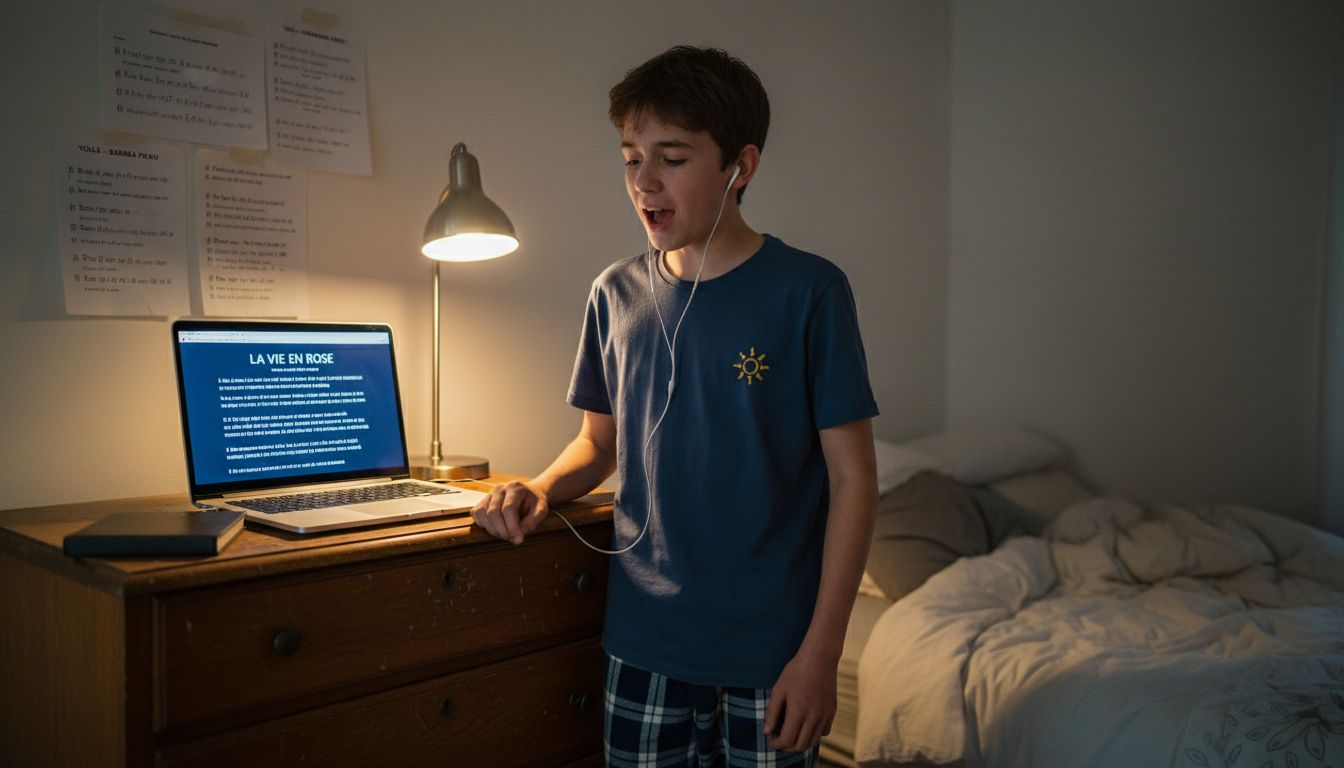
Advanced learners can challenge themselves with rap or spoken-word tracks that demand precise articulation. The goal is to sound authentically French, not just technically correct.
Pro tip: Use noise-canceling headphones during karaoke practice to hear yourself clearly and minimize external distractions that might interrupt your linguistic flow.
Step 5: Connect with International Peers for Real Practice
Learning French isn’t a solo journey - it’s a global conversation waiting to happen. Your musical language skills become truly powerful when you transform them into meaningful interactions with native speakers and fellow learners worldwide.
Music serves as a social bridge connecting language enthusiasts across cultures. Leveraging music as a communication tool can dramatically accelerate your French learning experience:
-
International Connection Platforms
- Language exchange websites
- Music-focused social networks
- French music forums
- Cultural discussion groups
-
Interaction Strategies
- Share song interpretations
- Discuss lyrical meanings
- Request pronunciation feedback
- Collaborate on musical playlists
Language learning happens when conversation replaces study.
Contextualized language practice emerges through genuine musical conversations. By engaging with international peers, you’ll encounter diverse accents, colloquial expressions, and cultural nuances that textbooks can’t teach.
French music communities offer rich opportunities for authentic interaction. Whether you’re discussing a classic Edith Piaf track or analyzing contemporary French hip hop, each conversation becomes a dynamic language lesson.
Pro tip: Create a dedicated social media account focused exclusively on your French music learning journey, making it easier to connect with like-minded language enthusiasts globally.
Step 6: Track Progress and Expand Your Song Repertoire
Your French learning journey through music is a dynamic adventure of continuous growth and discovery. Tracking your progress isn’t just about measuring achievements - it’s about understanding your linguistic evolution and staying motivated.
Tracking language progress through music requires strategic reflection and intentional skill-building. Here are techniques to monitor and enhance your French language development:
-
Progress Tracking Methods
- Create a learning journal
- Record comprehension percentages
- Log new vocabulary per song
- Note pronunciation improvements
-
Repertoire Expansion Strategies
- Gradually increase song complexity
- Explore different musical genres
- Mix familiar and challenging songs
- Set monthly genre exploration goals
Language mastery is a journey of consistent, incremental growth.
Develop a systematic approach to song selection. Start with comprehensible tracks and progressively challenge yourself with more complex linguistic structures. Your playlist should be a carefully curated language learning tool that adapts with your growing skills.
Consider creating themed playlists that target specific learning objectives. A playlist focused on conversational French might include contemporary pop, while another emphasizing poetic language could feature classic chanson.
Pro tip: Create a spreadsheet or digital tracker to quantify your learning progress, recording metrics like new words learned, comprehension percentage, and pronunciation accuracy for each song.
Compare these methods to track your music-based language progress:
| Tracking Method | What It Measures | How It Motivates |
|---|---|---|
| Learning Journal | Personal milestones | Visualizes skill growth |
| Vocabulary Log | New words learned | Shows vocabulary expansion |
| Comprehension Score | Understanding per song | Quantifies improvement |
| Recording Reviews | Pronunciation accuracy | Highlights progress points |
Transform Your French Learning with Music and Community
Struggling to stay motivated while learning French through music is common. The article highlights key challenges like finding songs that match your level, actively engaging with lyrics, and practicing pronunciation to build lasting fluency. If you want to move beyond passive listening and avoid feeling stuck with slow progress, it is essential to immerse yourself in a supportive environment that blends music, interactive learning, and real-world conversation.
Canary is designed precisely for active learners and music enthusiasts who face these challenges. With features like karaoke for pronunciation practice, vocabulary cards to expand your word bank, and quizzes that reinforce comprehension, Canary helps you turn every French song into a powerful language lesson. Plus, the platform connects you with an international community so you can practice with peers, share song interpretations, and gain authentic feedback. This social element keeps your motivation strong and helps you develop confidence in real French communication.
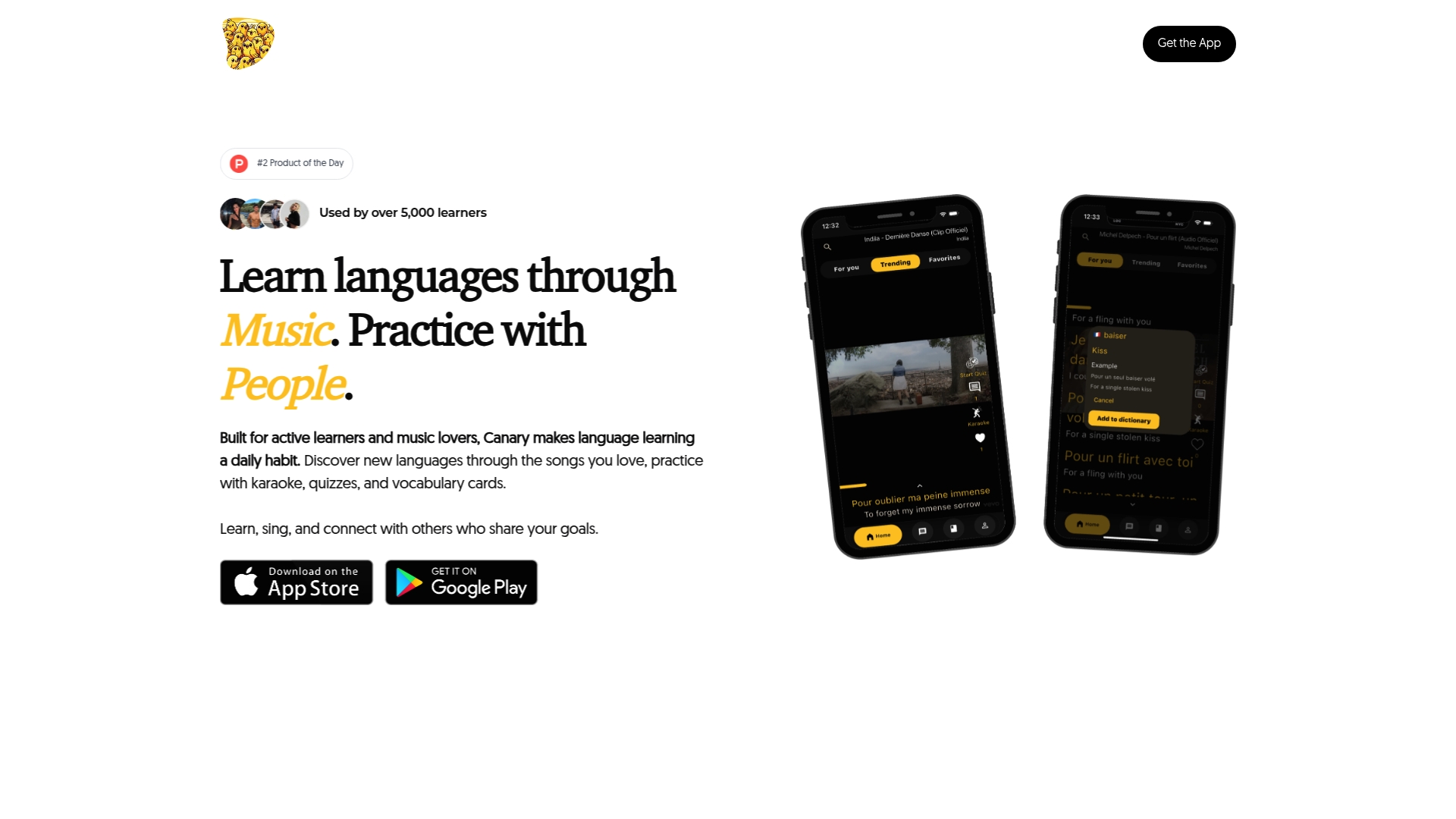
Get started with a fun and effective way to learn French through music today. Discover how Canary can expand your vocabulary, improve your accent, and make language learning an enjoyable, daily habit. Visit https://singwithcanary.com now to join the community and start your musical language adventure. Explore more on How to Learn French with Music for Lasting Fluency and unlock a new way to connect with language and culture.
Frequently Asked Questions
How can music improve my French fluency?
Music enhances your French fluency by stimulating various brain areas involved in language processing. Engage with different genres to experience diverse vocabulary, pronunciation styles, and cultural contexts, allowing you to absorb the language more fluidly.
What types of songs should I choose at different learning levels?
Select songs based on your proficiency level. For beginners, pick songs with clear pronunciation and simple lyrics; intermediate learners should opt for tracks with more complex sentences, while advanced learners can challenge themselves with fast-paced and nuanced songs.
How do I actively engage with French song lyrics for better learning?
To actively engage with lyrics, download lyric sheets, translate challenging sections, and highlight unknown words. Transform each song into an interactive lesson by practicing pronunciation and creating flashcards for new vocabulary.
What are effective strategies to practice my pronunciation using karaoke?
Use karaoke to practice your pronunciation by following the lyrics precisely and recording your performance for self-evaluation. Start with slower songs to build confidence, and gradually tackle faster tracks to refine your skills.
How can I track my progress while learning French with music?
To track your progress, create a learning journal to log new vocabulary, comprehension scores, and pronunciation improvements. Aim to review and update your entries regularly, ideally at least once a week, to visualize your growth over time.
How can I connect with other French learners to enhance my musical language skills?
Connect with other learners through language exchange websites and music-focused social networks. Participate in discussions about your favorite French songs and share interpretations or playlists to foster engaging conversations that enrich your learning experience.