Singing along to Spanish or French lyrics feels exhilarating, but stumbling over tricky sounds can leave you feeling disconnected from native speakers. For music lovers who crave authentic interaction and want to nail pronunciation, the rise of gamification offers a fresh, interactive way to practice. By blending game design principles with language learning, these platforms create environments that feel playful and motivating instead of repetitive or stressful.
Table of Contents
- Defining Gamification In Language Learning
- Popular Types And Core Elements
- How Gamification Enhances Motivation And Skills
- Impact On Pronunciation, Vocabulary, And Context
- Risks And Common Misconceptions To Avoid
Key Takeaways
| Point | Details |
|---|---|
| Enhancing Engagement | Gamification transforms learning by embedding game-like elements, making education more interactive and enjoyable. |
| Motivation Drivers | Psychological mechanisms like competition and achievement significantly increase intrinsic motivation and learner commitment. |
| Cognitive Benefits | Gamified approaches improve concentration and memory retention, making language acquisition a more effective process. |
| Risks of Oversimplification | Superficial gamification can lead to disengagement; effective design must align with individual learning objectives and cultural contexts. |
Defining gamification in language learning
Language learning has transformed dramatically with the integration of game design principles into educational experiences. Gamification involves strategically embedding game-like elements into traditional learning environments, creating an engaging and interactive approach to skill acquisition.
At its core, gamification is about reimagining learning as an exciting, dynamic process. Unlike traditional educational methods, this approach transforms mundane study activities into compelling experiences that motivate learners. Key elements of gamification include:
- Points systems that track progress
- Leaderboards showcasing learner achievements
- Badges recognizing specific skill milestones
- Interactive challenges that make learning feel like play
- Immediate feedback mechanisms
The fundamental goal of gamification is not simply to entertain, but to create meaningful learning experiences that intrinsically motivate students. By tapping into psychological drivers like competition, achievement, and social recognition, gamified language learning platforms can significantly enhance student engagement and knowledge retention.
To better understand gamification in language learning, here is a comparison of traditional and gamified approaches:
| Aspect | Traditional Learning | Gamified Learning |
|---|---|---|
| Engagement | Often passive, repetitive | Highly interactive and dynamic |
| Motivation | Relies on external rewards | Driven by intrinsic enjoyment |
| Progress Tracking | Manual or infrequent | Real-time digital feedback |
| Social Features | Limited peer interaction | Built-in competition and collaboration |
| Adaptivity | One-size-fits-all design | Personalized, adaptive challenges |
Gamification transforms learning activities into game-like experiences that foster interactive and autonomous learning environments.
Psychological Mechanisms behind gamification leverage principles of behavioral psychology. When learners receive instant rewards, compete with peers, or unlock new levels, their brains release dopamine - the neurotransmitter associated with pleasure and motivation. This biological response makes learning feel less like work and more like an enjoyable challenge.
Pro tip: Start your language learning journey by selecting platforms that incorporate multiple gamification elements to maintain long-term motivation and engagement.
Popular types and core elements
Gamification in language learning encompasses a rich variety of interactive design elements that transform traditional educational experiences. Researchers have identified multiple core components that create engaging, motivational learning environments for language students.
The primary types of gamification elements can be categorized into several key groups:
- Structural Elements:
- Point systems
- Progress tracking
- Achievement levels
- Social Mechanics:
- Leaderboards
- Collaborative challenges
- Peer comparison features
- Motivational Components:
- Instant rewards
- Skill badges
- Narrative-driven learning paths
Comparative studies of gamification mechanics reveal nuanced differences between game-based approaches. While some focus on immediate engagement through competitive elements, others emphasize sustained motivation through progressive, playful experiences.
Gamification components are strategically designed to create immersive, interactive experiences that enhance learner engagement across diverse global contexts.
Psychologically, these elements tap into fundamental human motivations. Competitive leaderboards trigger our desire for achievement, while narrative-based challenges transform language learning from a monotonous task into an exciting journey of personal growth and skill development.
Reward Mechanisms play a crucial role in maintaining learner interest. By providing immediate feedback, visual progress indicators, and social recognition, gamified platforms can significantly boost intrinsic motivation and long-term learning commitment.
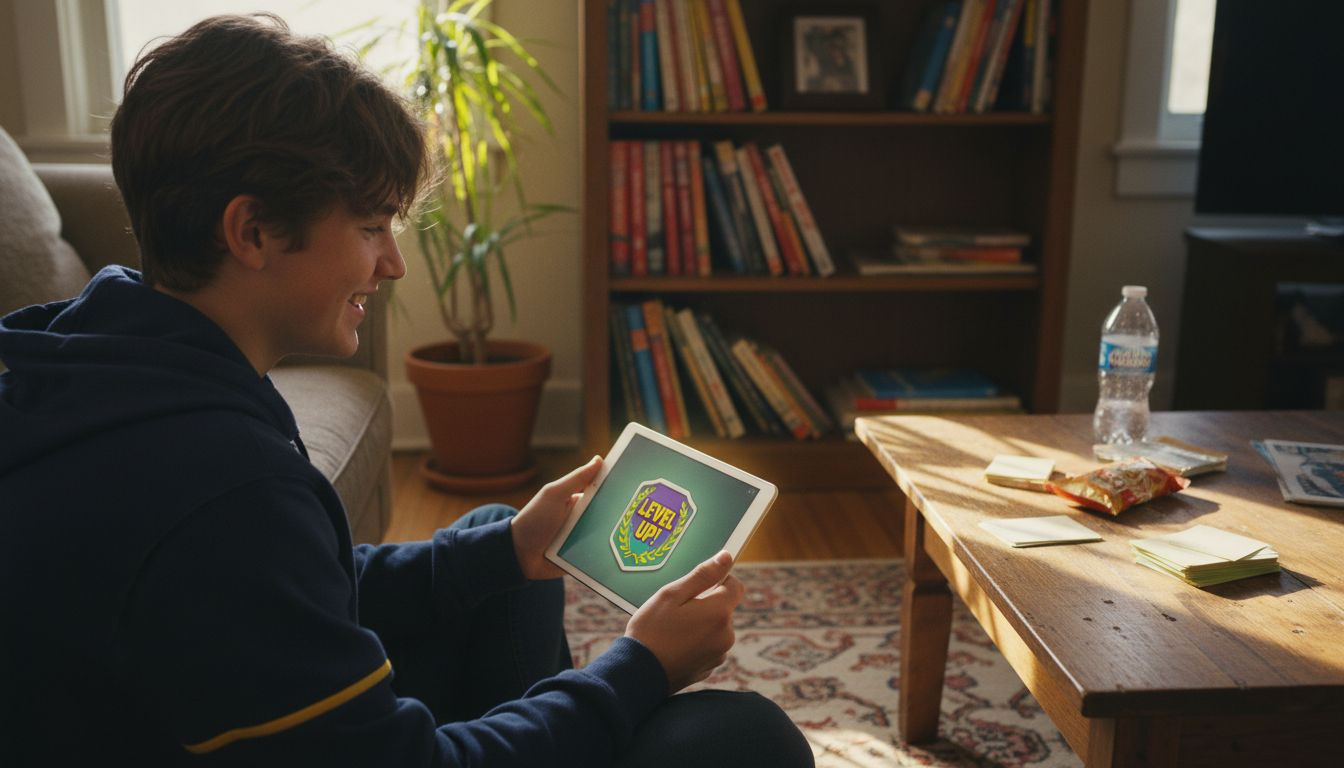
Pro tip: Choose language learning platforms that offer a diverse mix of gamification elements to keep your learning experience dynamic and engaging.
How gamification enhances motivation and skills
Gamification dramatically transforms language learning motivation by creating immersive, emotionally engaging experiences that tap into fundamental psychological drivers. Unlike traditional learning methods, gamified approaches convert challenging linguistic tasks into compelling, interactive journeys that inspire continuous engagement.
The key motivational enhancements of gamification include:
- Psychological Benefits:
- Reduces learning anxiety
- Builds learner confidence
- Increases emotional investment
- Cognitive Improvements:
- Enhances concentration
- Improves memory retention
- Stimulates active participation
- Emotional Drivers:
- Provides instant gratification
- Creates sense of achievement
- Encourages continuous improvement
Cognitive research reveals significant learning skill improvements through strategic game design. By integrating points, levels, and immediate feedback mechanisms, gamification transforms language learning from a potential source of stress into an exciting, rewarding experience.
Gamification creates immersive experiences that reduce anxiety and build confidence, fostering intrinsic motivation and sustained participation.
Motivation Mechanics work by triggering specific psychological responses. Earning points, unlocking achievements, and competing with peers activate the brain’s reward systems, making language learning feel less like work and more like an engaging challenge. This approach is particularly effective for learners who might otherwise struggle with traditional study methods.

The continuous evolution of gamification techniques ensures that learning remains dynamic and adaptive. By constantly introducing new challenges, narrative elements, and social interaction opportunities, these platforms maintain learner interest and prevent monotony.
Pro tip: Select language learning platforms that offer personalized progression and varied challenge levels to maintain long-term motivation and skill development.
Impact on pronunciation, vocabulary, and context
Interactive challenges significantly enhance language learning skills by providing contextualized, meaningful practice that goes beyond traditional memorization techniques. Gamification transforms language acquisition from a passive experience into an active, engaging process that directly improves pronunciation, vocabulary retention, and contextual understanding.
The key linguistic improvements through gamification include:
- Pronunciation Enhancement:
- Provides real-time audio feedback
- Encourages repeated vocal practice
- Simulates native speaker interactions
- Vocabulary Acquisition:
- Contextualizes word usage
- Creates memorable learning scenarios
- Supports rapid word retention
- Contextual Learning:
- Demonstrates language in authentic situations
- Connects vocabulary to real-world communication
- Develops nuanced language understanding
Dynamic learning environments support comprehensive language skill development through carefully designed game mechanics. These interactive platforms create opportunities for learners to practice language skills in immersive, low-pressure environments that mimic natural communication scenarios.
Gamification provides contextualized, meaningful practice that enhances retention and usage in real-life scenarios.
Linguistic Skill Development occurs through repeated exposure and interactive challenges. Game-based learning platforms can simulate conversations, pronunciation exercises, and contextual language use in ways traditional textbooks cannot, making language acquisition more intuitive and engaging.
The multisensory nature of gamified language learning allows learners to engage with vocabulary and pronunciation through multiple channels. By integrating visual, auditory, and interactive elements, these platforms create rich learning experiences that support more comprehensive language skill development.
Pro tip: Focus on gamified platforms that offer diverse interactive scenarios and immediate pronunciation feedback to accelerate your language learning journey.
Risks and common misconceptions to avoid
Gamification involves complex design requirements that extend far beyond simply adding game-like elements to learning platforms. Many learners and educators mistakenly view gamification as a quick fix or entertainment tool, overlooking its nuanced psychological and pedagogical foundations.
Common misconceptions about gamification include:
- Oversimplification Risks:
- Assuming games automatically equal engagement
- Believing gamification works identically for all learners
- Neglecting individual learning preferences
- Design Fallacies:
- Treating gamification as a one-size-fits-all solution
- Focusing solely on points and rewards
- Ignoring underlying learning objectives
- Implementation Errors:
- Superficial game mechanics
- Lack of meaningful pedagogical structure
- Insufficient cultural sensitivity
The critical challenge lies in developing sophisticated learning experiences that genuinely support language acquisition. Poorly implemented gamification can actually decrease learner motivation by creating frustrating or irrelevant challenges that feel disconnected from genuine learning goals.
Superficial implementation of gamification can fail to meet learners’ needs and sustain long-term interest.
Psychological Complexity demands that gamified systems be carefully crafted. Effective platforms must balance intrinsic motivation, skill progression, and meaningful feedback. Simply adding point systems or competitive elements does not guarantee engagement or learning effectiveness.
Cultural considerations are equally important. What motivates learners in one context might disengage or offend learners in another. Successful gamification requires deep understanding of diverse learning styles, cultural backgrounds, and individual psychological drivers.
Here is a summary of common pitfalls in gamification design and their potential impacts:
| Misconception or Risk | Consequence | Best Practice |
|---|---|---|
| Focus on points alone | Short-term engagement | Integrate meaningful challenges |
| Ignoring culture | Learner disengagement | Respect diverse backgrounds |
| Superficial design | Frustration or boredom | Align games with goals |
| Uniform approach | Unequal motivation | Personalize for learner needs |
Pro tip: Evaluate gamified language learning platforms by their pedagogical depth, not just their visual appeal or reward mechanisms.
Unlock Language Learning Through Gamification and Music
The article highlights common challenges in maintaining motivation and achieving real progress in language learning. Many learners face frustration from traditional methods that lack engaging, context-rich experiences. The key pain points include the need for instant feedback, meaningful rewards, and social interaction to reduce anxiety and build confidence. Concepts like points systems, social mechanics, and personalized challenges are essential to keep learners motivated and help them improve pronunciation, vocabulary, and contextual understanding.
Canary understands these challenges deeply and offers a unique solution that combines gamification with music and social interaction. By learning through songs with features such as karaoke, quizzes, and vocabulary cards, you receive immediate, fun feedback that turns practice into an immersive journey. This method aligns perfectly with gamification principles by providing rewarding, adaptive challenges that enhance engagement and language skill development. Experience real-time improvement in pronunciation and retention while connecting with an international community that encourages continuous learning.
Ready to transform your language learning routine into an exciting and motivating adventure? Discover how Canary’s music-driven gamified platform can change the way you learn languages today.
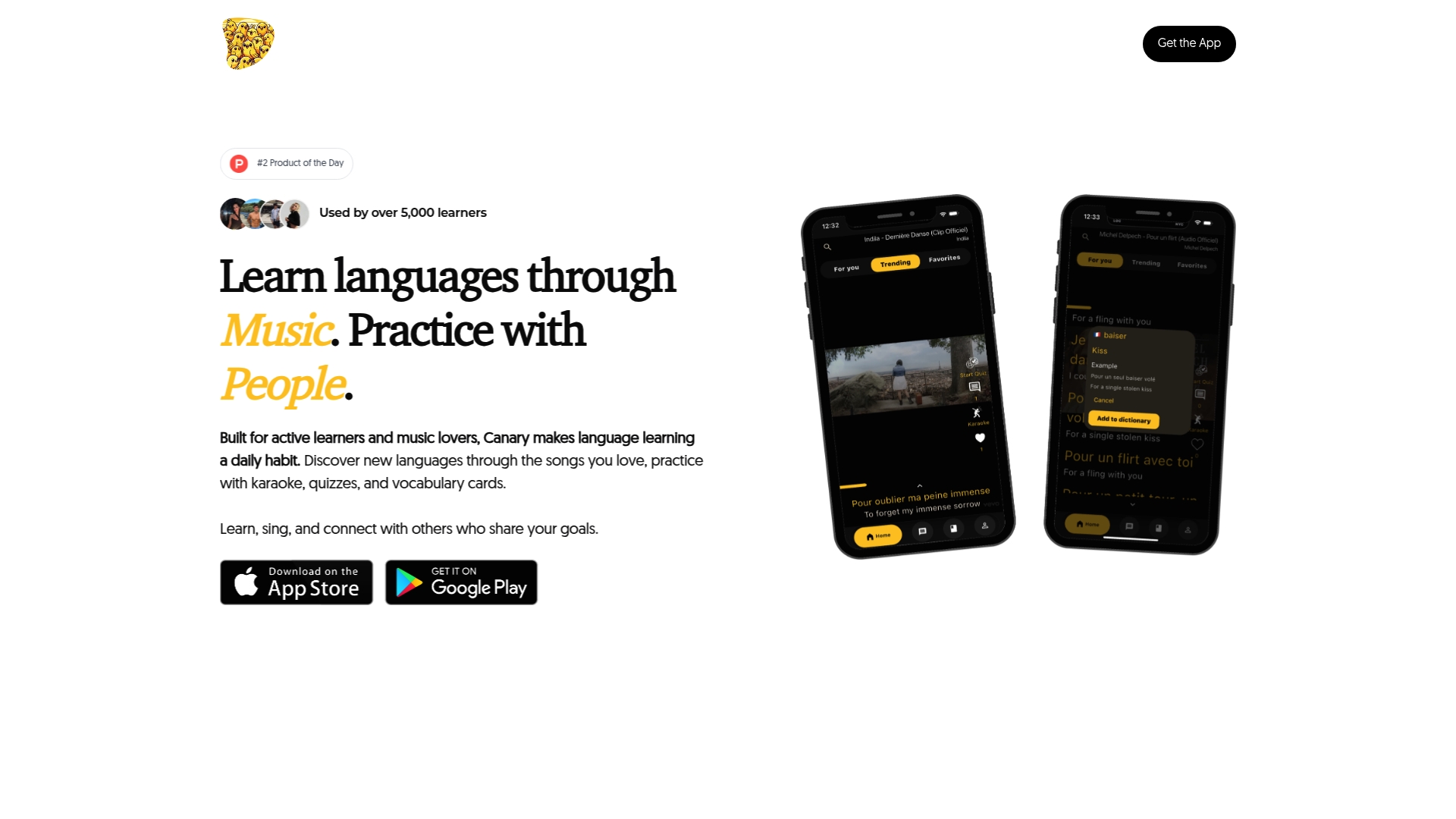
Start your journey with Canary now and join thousands of active learners who are mastering new languages through music and social learning. Visit Sing with Canary to explore our interactive features and build confidence in your language skills while having fun.
Frequently Asked Questions
What is gamification in language learning?
Gamification in language learning refers to the integration of game design elements into educational experiences, making the learning process more engaging and interactive. Key components include points systems, leaderboards, badges, and interactive challenges.
How does gamification enhance motivation in language learning?
Gamification enhances motivation by tapping into psychological drivers such as competition, achievement, and instant feedback. This approach reduces learning anxiety, builds confidence, and transforms language acquisition into an enjoyable challenge.
What are the core elements of gamification in language learning?
The core elements of gamification include structural elements like point systems and progress tracking; social mechanics like leaderboards and peer collaborations; and motivational components like instant rewards and narrative-driven learning paths.
What risks and misconceptions should be avoided when implementing gamification?
Common risks include oversimplifying gamification by assuming that games automatically lead to engagement, neglecting individual learning preferences, and failing to create meaningful challenges. It is essential to develop sophisticated experiences that genuinely support language acquisition.