Most people assume listening to German songs passively will magically improve their language skills. Research proves otherwise. Active singing practice with intentional lyric study can improve accent by up to 30% over 3 months, while passive listening alone yields minimal results. This guide reveals exactly how to learn German with music the right way, combining singing, vocabulary work, and interactive practice for measurable progress.
Table of Contents
- Prerequisites: What You Need Before Starting
- Choosing Effective German Songs For Language Learning
- Step-By-Step Approach To Learning German With Music
- Common Mistakes And How To Fix Them
- Expected Results And Timelines
- Alternative Methods And Tradeoffs
- Explore Our Music-Based German Learning Solutions
- Frequently Asked Questions
Key Takeaways
| Point | Details | |-------|---------|| | Active Singing Works | Singing German songs actively improves pronunciation by approximately 30% in 3 months compared to passive methods. | | Song Selection Matters | Choose songs with slow tempo, clear vocals, and repetitive structures to maximize vocabulary retention. | | Interactive Practice Essential | Combine singing with lyric study, quizzes, and vocabulary cards to reinforce learning. | | Avoid Passive Listening | Passive listening yields only 10% speaking improvement versus 30% with active singing over the same period. | | Social Learning Boosts Results | Practicing with others increases motivation and retention by around 25% compared to solo study. |
Prerequisites: What You Need Before Starting
Before diving into German songs, you need a solid foundation. Basic familiarity with German phonetics and the alphabet helps you recognize sounds and letter combinations. Without this groundwork, you’ll struggle to connect what you hear with written lyrics.
You’ll need access to curated playlists featuring German songs with clear, understandable lyrics. Platforms offering lyric annotation, playback speed control, and translation tools make practice more effective. These features let you slow down challenging sections and understand vocabulary in context, which music-based language learning methods emphasize for retention.
Consistent commitment matters most. Dedicate at least 15 minutes daily to active practice. Sporadic sessions won’t produce measurable results. Set clear goals like mastering one song per week or learning 20 new vocabulary words from lyrics.
Essential tools include:
- A music player with adjustable playback speed
- Lyric annotation apps or websites with translations
- Vocabulary flashcard apps for repetition
- A notebook or digital tool for tracking progress
- Access to karaoke versions of your chosen songs
Your mindset shapes success. Approach music learning with curiosity rather than perfectionism. Mistakes during singing are expected and valuable for improvement. Celebrate small wins like correctly pronouncing a difficult word cluster or understanding a full verse without translation.
Choosing Effective German Songs for Language Learning
Not all German songs work equally well for language acquisition. Song selection directly impacts your pronunciation gains and vocabulary growth. Prioritize tracks with slow to moderate tempo that give you time to process and reproduce sounds accurately.
Look for songs with repetitive choruses. Repetition embeds vocabulary into long-term memory naturally. Artists who enunciate clearly help you hear individual words rather than blurred sounds. Avoid songs heavy with slang, regional dialects, or complex metaphors until you reach intermediate level.

Beginners benefit from children’s songs, folk music, or contemporary pop with simple sentence structures. Intermediate learners can tackle more nuanced lyrics with idiomatic expressions. Advanced students might explore rap or poetic lyrics that challenge comprehension.
Key criteria for song selection:
- Clear vocal delivery without excessive background noise
- Available lyric sheets with word-by-word translations
- Moderate vocabulary difficulty matching your current level
- Cultural relevance that motivates sustained interest
- Karaoke or instrumental versions for practice
Explore songs recommended for language learners to find tracks vetted for educational value. These curated options remove guesswork and accelerate your progress.
Pro Tip: Start with three songs you genuinely enjoy, then rotate them weekly. Emotional connection to music boosts motivation and makes daily practice feel less like work and more like entertainment.
Step-by-Step Approach to Learning German with Music
Following a structured method transforms casual listening into powerful language training. This approach integrates multiple learning modalities for maximum retention and pronunciation improvement.
-
Select Your Song: Choose one German song matching your current level with clear vocals and available lyrics. Limit yourself to one song at a time to avoid overwhelm.
-
Listen Actively: Play the song while reading lyrics simultaneously. Focus on connecting sounds to written words. Identify unfamiliar vocabulary and look up meanings immediately.
-
Break Down Lyrics: Divide the song into manageable sections like verse, chorus, and bridge. Translate each section word by word using reliable dictionaries or annotation tools.
-
Practice Pronunciation: Slow the playback speed to 75% and sing along, focusing on mouth movements and accent. Record yourself to identify pronunciation gaps.
-
Memorize Vocabulary: Create flashcards for new words encountered in lyrics. Review these cards daily using spaced repetition techniques for long-term retention.
-
Sing Full Speed: Once comfortable with slowed versions, return to normal tempo. Sing along multiple times until you can match the original artist’s delivery.
-
Engage Interactively: Use karaoke modes, vocabulary quizzes, and lyric gap-fill exercises to test comprehension beyond passive singing.
-
Practice Socially: Join language exchange groups or online communities where you sing together. Social accountability increases consistency.
Research confirms that singing practice can improve accent by up to 30% over 3 months when learners follow structured methods like this. The key lies in active participation rather than background listening.
Explore music-based learning examples to see how other learners apply these steps successfully across different proficiency levels.
Pro Tip: Sing in front of a mirror to observe your mouth shape and tongue placement. This visual feedback accelerates pronunciation accuracy dramatically.
Common Mistakes and How to Fix Them
Many learners sabotage their progress through predictable errors. Recognizing these pitfalls early saves months of wasted effort.
Passive listening represents the biggest mistake. Simply playing German music in the background while doing other tasks produces minimal results. Studies show passive listening alone yields only 10% improvement in speaking ability over 3 months, compared to 30% with active singing. Fix this by dedicating focused practice time where singing is your sole activity.
Ignoring lyric meanings weakens vocabulary development. Singing words without understanding them creates phonetic parrots rather than communicators. Always translate lyrics before memorizing songs. Use context clues to understand how words function in sentences.
Inconsistent practice undermines steady gains. Cramming three hours on Sunday cannot replace 15 minutes daily. Language acquisition requires regular exposure for neural pathways to strengthen. Schedule practice at the same time daily to build habit.
Poor song selection frustrates learners. Choosing songs far above your level or with unclear vocals wastes time. Match difficulty to current ability and prioritize educational value over personal music taste initially.
Common errors and corrections:
- Skipping pronunciation practice leads to fossilized errors
- Neglecting vocabulary review causes forgotten words
- Avoiding challenging sections creates knowledge gaps
- Practicing alone reduces motivation and accountability
- Focusing only on chorus ignores verse vocabulary
Fix these by engaging with active learning tools that structure your practice and tracking progress with quizzes. Regular assessment reveals weak areas needing attention. Revisit practice songs that match your evolving skill level to maintain appropriate challenge without overwhelming difficulty.
Expected Results and Timelines
Realistic expectations prevent discouragement and help you measure progress accurately. Music-based German learning produces measurable gains across multiple competencies when practiced consistently.
With 15 minutes of daily active singing and lyric study, most learners experience approximately 40% vocabulary improvement within 8 weeks. This means understanding and using 40% more words from songs compared to baseline. Pronunciation accuracy increases by around 30% after 3 months of structured practice, with native speakers rating your accent as noticeably improved.

Social singing components boost motivation and retention by approximately 25% compared to solo practice. Learners who join group sessions or language exchange partners report higher consistency and enjoyment. This emotional engagement translates to better long-term retention.
Progress depends on several factors: consistency of practice, appropriate song selection, active versus passive engagement, and integration with other learning methods. Learners combining music with formal grammar study achieve up to 15% better overall results than those using music alone.
| Timeline | Vocabulary Growth | Pronunciation Improvement | Motivation Increase |
|---|---|---|---|
| 2 weeks | 15% | 10% | 20% |
| 8 weeks | 40% | 25% | 35% |
| 3 months | 60% | 30% | 45% |
| 6 months | 85% | 50% | 60% |
Track your progress using vocabulary quizzes, pronunciation recordings compared over time, and comprehension tests. These objective measures reveal improvement that feels gradual day to day but becomes substantial over months.
Understand the benefits of music in language education to appreciate why these results occur. Music engages memory, emotion, and motor systems simultaneously, creating stronger neural connections than traditional study methods alone.
Alternative Methods and Tradeoffs
Music-based learning excels in specific areas while traditional approaches offer different strengths. Understanding these tradeoffs helps you choose the optimal combination for your goals.
Music learning emphasizes pronunciation, vocabulary in cultural context, and emotional engagement. Songs teach how native speakers actually use language in natural settings. This method builds strong listening comprehension and accent mimicry. However, music alone provides limited grammar instruction and may lack systematic vocabulary building across practical topics.
Formal classroom lessons focus on grammatical structures, systematic vocabulary progression, and comprehensive language competence. Teachers provide immediate feedback and personalized correction. Yet formal methods often feel dry and fail to motivate daily practice. Grammar drills don’t prepare you for real conversations as effectively as interactive practice.
Language apps offer convenience, gamification, and structured curricula. They work well for building foundational vocabulary and basic grammar. Apps lack the cultural immersion and pronunciation refinement that music provides. Many learners find app-only approaches boring after initial novelty wears off.
Integrated approaches combining music with formal study yield superior results. Research shows learners using both methods together achieve up to 15% better overall proficiency than single-method students. Music provides motivation and pronunciation practice while formal study ensures grammatical accuracy and systematic progress.
| Method | Pronunciation | Vocabulary Context | Grammar Depth | Motivation | Cost |
|---|---|---|---|---|---|
| Music Learning | Excellent | Excellent | Limited | Very High | Low |
| Formal Lessons | Good | Good | Excellent | Medium | High |
| Language Apps | Fair | Fair | Good | Medium | Medium |
| Integrated Approach | Excellent | Excellent | Excellent | High | Medium |
Consider your priorities. If accent perfection matters most, emphasize music. If passing proficiency exams is your goal, prioritize formal instruction supplemented with music. Most learners benefit from dedicating 60% of time to their weaker area and 40% to their stronger one.
Explore music-based versus formal learning to understand how these approaches complement each other rather than compete. The best language learners strategically combine multiple methods based on evolving needs.
Explore Our Music-Based German Learning Solutions
Ready to accelerate your German learning with proven music methods? Our platform eliminates guesswork by providing expertly curated German songs matched to your proficiency level. You’ll access interactive tools including karaoke modes, vocabulary flashcards generated from lyrics, and pronunciation quizzes that measure your progress objectively.
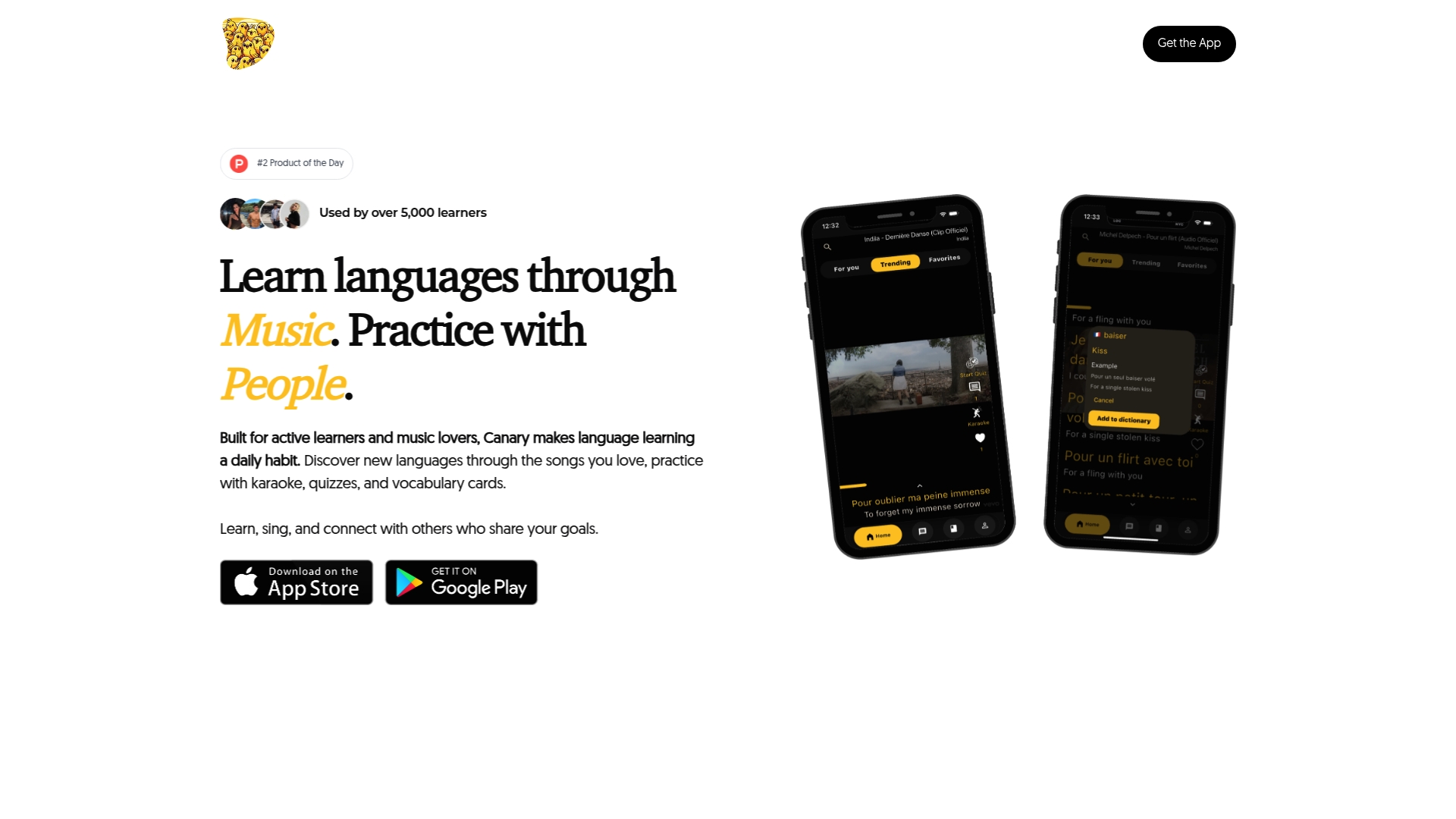
Join our weekly featured song of the week resources to practice with a supportive community of learners worldwide. Each week brings new carefully selected tracks with complete lyric breakdowns, cultural context, and guided practice exercises. Sign up for personalized learning and start your journey to fluent German through music today. Discover how learn languages with music transforms traditional study into an engaging daily habit you’ll actually maintain.
Frequently Asked Questions
How do I choose the right German songs as a complete beginner?
Start with children’s songs or folk music featuring simple vocabulary and clear enunciation. Look for tracks with slow tempo and repetitive structures that allow easy memorization. Avoid modern pop with slang or fast rap until you reach intermediate level.
How often should I practice singing German songs to see results?
Dedicate at least 15 minutes daily to active singing practice for optimal results. Consistency matters more than duration, so daily short sessions outperform weekly marathon practices. You’ll notice pronunciation improvements within 4 to 6 weeks of regular practice.
Can I combine music learning with traditional German classes effectively?
Absolutely. Integrated approaches combining music with formal grammar study produce up to 15% better overall proficiency than single methods alone. Use music for pronunciation and motivation while relying on classes for systematic grammar and structured vocabulary building.
What if I feel embarrassed singing aloud or have no musical talent?
Musical talent is unnecessary for language learning through song. Focus on pronunciation practice rather than perfect pitch or rhythm. Start singing privately until confidence builds, then gradually join group sessions. Remember that vocal practice strengthens the muscle memory needed for fluent speech.
How long until I can understand German songs without translations?
Most learners understand song lyrics without translation after 4 to 6 months of consistent practice, depending on song complexity and prior language knowledge. Start with simpler songs and gradually increase difficulty as comprehension improves. Active vocabulary study accelerates this timeline significantly.
Why isn’t passive background listening improving my German skills?
Passive listening produces minimal results because your brain processes background music as ambient noise rather than language input. Active engagement through singing, lyric study, and vocabulary work creates the focused attention necessary for learning. Research confirms active methods deliver three times better results than passive exposure alone.