Mastering authentic Italian pronunciation and vocabulary feels like an uphill battle when traditional methods rely on textbooks and grammar drills. You crave real conversations, natural idioms, and that melodic flow native speakers effortlessly use. Songs offer a proven, engaging alternative that transforms your learning experience. Research shows 85% retention rates for vocabulary learned through music, far surpassing conventional flashcards. This article reveals seven science-backed benefits of learning Italian with songs, from boosting memory and motivation to perfecting pronunciation and listening skills, plus practical tips to maximize your musical language journey.
Table of Contents
- Key takeaways
- How songs boost Italian vocabulary acquisition
- Increasing motivation and reducing anxiety through music
- Enhancing Italian pronunciation and listening skills with songs
- Limitations and complementary methods for learning Italian with songs
- Try music-driven Italian learning with Canary
- Frequently asked questions
Key Takeaways
| Point | Details |
|---|---|
| Vocabulary retention with songs | Vocabulary learned through songs shows about 85 percent retention and benefits from repetition and context. |
| Emotional engagement boosts motivation | Music activates reward centers in the brain and dopamine release to strengthen memory and motivation for practice. |
| Pronunciation improvements through melody | Melody and rhythm help Italian pronunciation improve as you hear and imitate natural phrasing. |
| Exposure to real speech | Songs expose learners to informal language and authentic conversational patterns used in everyday life. |
How songs boost Italian vocabulary acquisition
Songs embed new Italian words through repetition and meaningful context, creating memory hooks that stick far longer than isolated word lists. When you hear “amore” woven into a romantic ballad or “strada” repeated in a travel anthem, your brain connects the word to emotion, melody, and story. This multisensory encoding makes recall effortless. Research demonstrates that vocabulary learned through songs achieves 85% retention, significantly outperforming traditional memorization techniques.
Emotional connection amplifies this effect. Music activates reward centers in your brain, releasing dopamine that strengthens memory pathways. You naturally remember lyrics to songs you love because the emotional charge creates lasting neural imprints. Apply this to Italian learning by choosing songs that resonate personally, whether upbeat pop tracks or soulful ballads. The stronger your emotional response, the deeper the vocabulary embeds.
Practical application matters too. Songs present words in natural phrases and collocations, showing you how Italians actually combine vocabulary in conversation. Instead of memorizing “beautiful” as “bello” in isolation, you hear “che bella giornata” and internalize the complete expression. This contextual learning helps you expand vocabulary through songs in ways that transfer directly to real communication.
“The repetition inherent in song structure, combined with emotional and contextual cues, creates ideal conditions for vocabulary acquisition that traditional study methods struggle to replicate.”
To maximize vocabulary gains, select songs with clear, comprehensible lyrics at your current level. Avoid overly complex or metaphorical poetry initially. Focus on artists known for articulate pronunciation and straightforward language. Listen actively, look up unfamiliar words, and sing along to reinforce new vocabulary through active use. This approach helps you boost vocabulary with music while enjoying the process.
- Choose songs with repetitive choruses that reinforce key vocabulary naturally
- Read lyrics while listening to connect sound with spelling and meaning
- Create flashcards for new words encountered in favorite songs
- Practice using new vocabulary in your own sentences beyond the song context
Increasing motivation and reducing anxiety through music
Music transforms language learning from a chore into a pleasure, sustaining motivation when traditional methods feel tedious. The emotional and rhythmic connection you develop with Italian songs creates anticipation rather than dread. You look forward to your next practice session because it feels like enjoying music, not grinding through exercises. This shift in mindset proves crucial for long-term success, as songs boost motivation and reduce anxiety through their inherent emotional engagement.
Language anxiety sabotages learning by triggering stress responses that impair memory and recall. Speaking Italian feels intimidating when you fear mistakes or judgment. Music bypasses this anxiety by creating a private, judgment-free practice space. Singing along in your room carries no social pressure. You experiment with pronunciation, make mistakes freely, and build confidence gradually. The rhythmic structure of songs also provides scaffolding that makes producing Italian sounds less daunting.
Higher motivation translates directly to more consistent practice, the true driver of fluency. When you genuinely enjoy your study method, you practice daily without forcing yourself. Songs integrate seamlessly into your routine during commutes, workouts, or downtime. This frequent exposure accelerates progress far beyond sporadic intensive study sessions. The educational benefits of music extend beyond vocabulary to creating sustainable learning habits.
Emotional resonance keeps you engaged longer than mechanical repetition ever could. A song that moves you creates memories that last years, carrying the Italian lyrics along for the ride. You remember words from songs you heard once a decade ago but forget vocabulary you drilled yesterday. Harness this natural memory advantage by curating a playlist of Italian songs that genuinely excite you, not just educational material that feels like homework.
Pro Tip: Build a personalized Italian playlist featuring genres you already love. If you enjoy rock, explore Italian rock bands. If pop appeals to you, dive into contemporary Italian pop charts. Emotional connection matters more than educational optimization when selecting songs for learning.
- Match songs to your musical preferences to maximize emotional engagement and practice time
- Use music as a reward after completing less enjoyable study tasks
- Share favorite Italian songs with friends to add social motivation
- Track your progress by noting how many song lyrics you understand over time
- Develop language learning habits with music that fit naturally into your daily routine
Enhancing Italian pronunciation and listening skills with songs
Italian songs showcase the prosody, rhythm, and accent patterns essential for authentic pronunciation. The melodic nature of music exaggerates the natural musicality of Italian speech, making stress patterns and intonation contours crystal clear. When you listen to a skilled Italian vocalist, you hear exactly how syllables should flow, where emphasis falls, and how sounds connect in rapid speech. This auditory model provides the template your own pronunciation needs.
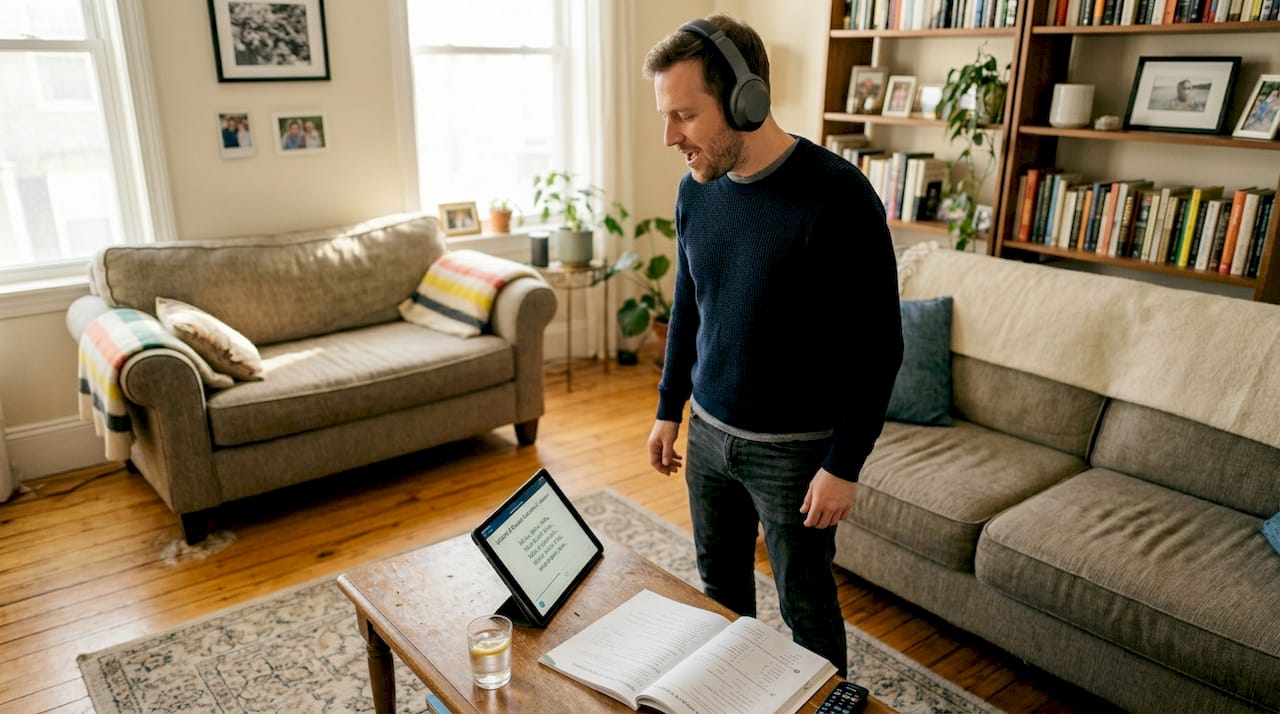
Singing along creates muscle memory for Italian sounds through active repetition. Your mouth, tongue, and vocal cords physically practice the movements required to produce Italian phonemes. The rhythm of the song guides your timing, helping you match the pace and flow of native speech. This kinesthetic learning complements passive listening, as pronunciation improves through musical practice that engages multiple learning channels simultaneously.
Beginners benefit most from songs featuring slow, clear pronunciation where every word remains distinct and comprehensible. Classic ballads and traditional folk songs often provide ideal starting material. As your skills develop, faster pop and rap songs expose informal language, contractions, and slang that reflect how Italians actually speak. However, these informal songs may include non-standard grammar and regional variations that could confuse absolute beginners.
Listening skills develop naturally through repeated song exposure. You train your ear to distinguish similar sounds, recognize word boundaries in connected speech, and parse meaning from context. Songs present Italian at natural speed without the artificial clarity of language learning recordings. This authentic input prepares you for real conversations better than sanitized textbook audio.
| Song Type | Pronunciation Clarity | Slang/Informal Language | Best For |
|---|---|---|---|
| Traditional ballads | Very high | Minimal | Beginners building foundational pronunciation |
| Pop songs | Moderate to high | Moderate | Intermediate learners expanding vocabulary |
| Rap/hip-hop | Variable | High | Advanced learners mastering informal speech |
| Opera | Very high | Minimal | Learners focusing on formal pronunciation |
Pro Tip: Start each song by listening without lyrics to train your ear, then read along to connect sounds with spelling, and finally sing along to practice production. This three-step approach maximizes pronunciation gains from each song.
- Focus on songs where you can distinguish individual words clearly at first
- Use slow playback features to practice difficult phrases at reduced speed
- Record yourself singing to identify pronunciation areas needing improvement
- Practice pronunciation with music daily for consistent skill development
- Explore how to learn Italian with music naturally through structured practice
Limitations and complementary methods for learning Italian with songs
Songs provide powerful learning benefits but don’t replace comprehensive language study. Research reveals mixed findings on song effectiveness, with some studies showing preschoolers learn vocabulary better from spoken language than songs. The musical elements that aid memory can sometimes distract from meaning, particularly for very young or absolute beginner learners. Songs excel at certain skills like pronunciation and cultural exposure but offer limited grammar instruction and conversational practice.
Balanced language learning combines multiple methods that address different skill areas. Songs strengthen listening and pronunciation while conversation practice builds speaking confidence and real-time comprehension. Reading develops grammar understanding and expands vocabulary in ways songs alone cannot. Writing solidifies grammar rules and allows you to produce language at your own pace. Each method complements the others, creating a comprehensive learning ecosystem.
The key lies in strategic integration rather than relying exclusively on any single approach. Use songs for daily exposure and motivation, then apply the vocabulary and phrases you learn in conversation exchanges. Read articles or books featuring topics from your favorite Italian songs to deepen cultural understanding. Write about the themes or stories in songs to practice grammar actively. This multi-method approach leverages the benefits of music learning while addressing its limitations.
| Method | Strengths | Weaknesses | Best Combined With |
|---|---|---|---|
| Songs | Pronunciation, motivation, cultural exposure, vocabulary retention | Limited grammar instruction, potential distraction from meaning | Conversation practice, reading |
| Conversation | Real-time communication, speaking confidence, practical application | Anxiety-inducing, requires partners, limited vocabulary input | Songs for pronunciation, reading for vocabulary |
| Reading | Grammar understanding, vocabulary breadth, self-paced learning | No pronunciation practice, passive skill development | Songs for pronunciation, conversation for speaking |
| Writing | Grammar solidification, active production, error identification | Time-intensive, no speaking practice, requires feedback | Songs for vocabulary, conversation for fluency |
Different types of language learning methods for music lovers serve distinct purposes in your overall study plan. Recognize songs as one valuable tool in your learning toolkit rather than a complete solution. Allocate time across multiple methods based on your current weaknesses and goals.
- Dedicate 30% of study time to songs for enjoyment and pronunciation
- Reserve 40% for conversation practice to build speaking confidence
- Spend 20% reading to expand vocabulary and grammar understanding
- Use 10% for writing to solidify grammar rules and active production
- Adjust ratios based on your specific goals and learning stage
- Regularly assess which methods yield the best results for your learning style
Try music-driven Italian learning with Canary
Ready to transform your Italian learning through the power of music? Canary combines the vocabulary retention, pronunciation benefits, and motivational advantages discussed throughout this article into one interactive platform. You’ll access a curated library of Italian songs with integrated learning tools designed specifically for music enthusiasts and active learners like you.
Canary’s approach mirrors the research-backed benefits we’ve explored. Practice pronunciation through karaoke features that provide immediate feedback. Build vocabulary with interactive flashcards tied directly to song lyrics you love. Engage with a global community of learners who share your passion for music-based language acquisition. The platform makes it easy to learn languages with music while maintaining the daily consistency that drives fluency.
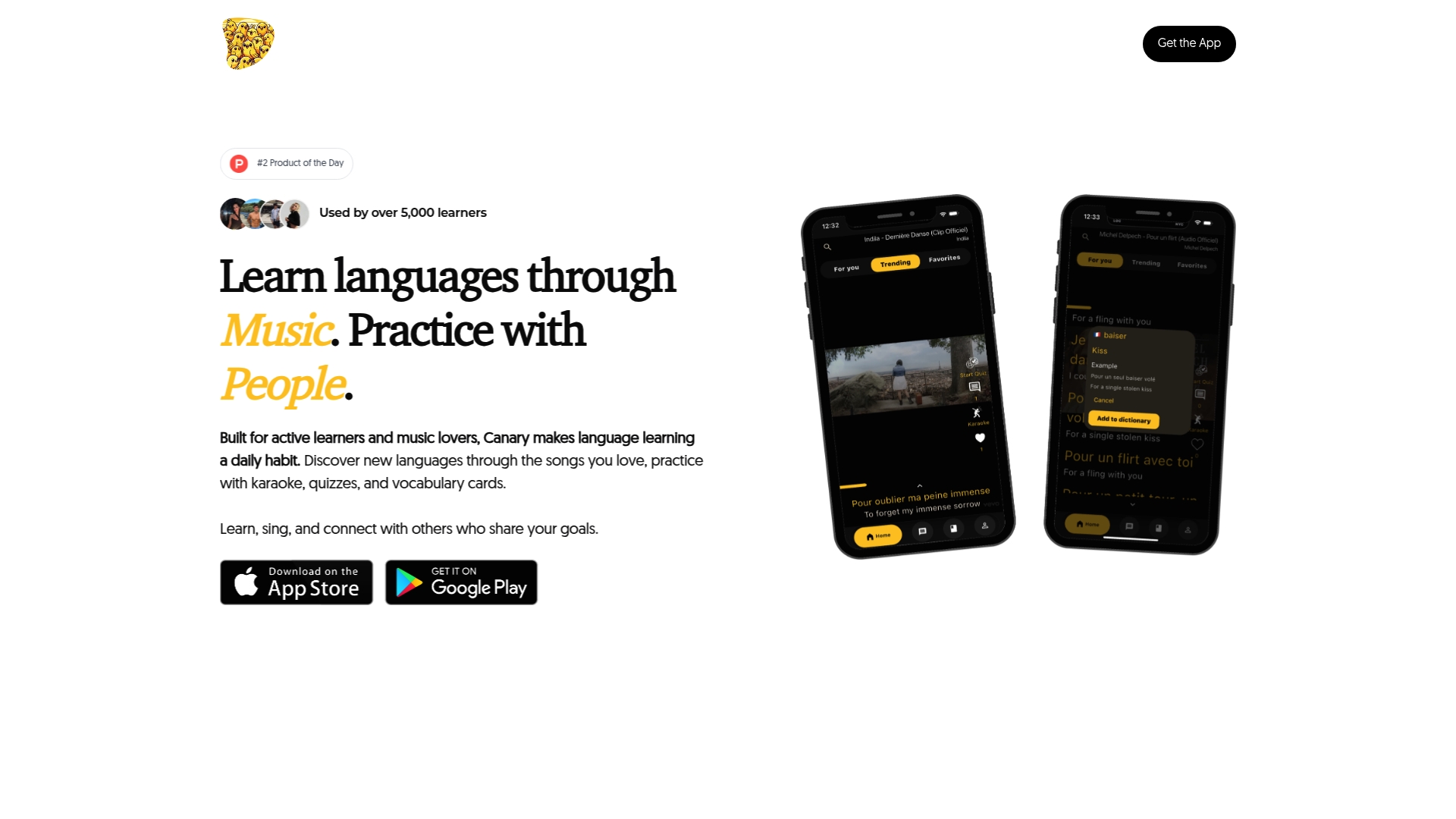
Start your journey today by exploring Canary’s Italian song collection. Discover language learning tips for music lovers and practice pronunciation with music through features designed to maximize your progress. Your path to Italian fluency can be as enjoyable as your favorite playlist.
Frequently asked questions
What are the best types of Italian songs to learn with?
Beginners should prioritize songs with slow, clear pronunciation where individual words remain distinct, such as traditional ballads or classic pop songs. These provide the best foundation for developing accurate pronunciation and building core vocabulary. As you advance, incorporate faster pop and rap songs that expose informal language, slang, and authentic speech patterns, though be aware these may include non-standard grammar. The ideal approach uses a mix of clear, formal songs for skill-building and informal songs for real-world language exposure.
Can learning Italian with songs replace traditional study methods?
Songs serve as a powerful complementary tool but shouldn’t completely replace other study methods. Research shows mixed results when songs are used in isolation, with some studies indicating spoken language or storytelling may be more effective for certain learners. The most effective approach combines songs for pronunciation and motivation with conversation practice for speaking skills, reading for grammar understanding, and writing for active production. This balanced strategy leverages the unique benefits of each method while compensating for individual limitations.
How can I retain vocabulary learned through songs effectively?
Maximize retention by listening to the same songs repeatedly over several days or weeks, as repetition strengthens memory pathways. Look up unfamiliar words immediately and practice using them in your own sentences beyond the song context to ensure active mastery rather than passive recognition. Sing along regularly to engage muscle memory and reinforce pronunciation alongside vocabulary. Create flashcards for new words encountered in songs and review them using spaced repetition systems for optimal long-term retention.
How long does it take to see pronunciation improvements from learning with songs?
Most learners notice pronunciation improvements within two to four weeks of daily practice with Italian songs. The timeline varies based on your starting level, the clarity of songs you choose, and how actively you practice singing along versus passive listening. Consistent daily exposure of 15 to 30 minutes yields faster results than sporadic longer sessions. Recording yourself periodically helps you track subtle improvements that might not be immediately obvious, providing motivation to continue your music-based practice routine.