TL;DR:
- Musicians learn languages faster because musical training enhances auditory processing, working memory, and rhythmic sensitivity. This shared neural foundation, explained by the OPERA hypothesis, improves phonological awareness and pronunciation. Applying ear training and embodied practice accelerates language fluency, making music a powerful tool for language acquisition.
Musicians learn languages faster because musical training builds the exact cognitive tools that language acquisition demands: sharper auditory processing, stronger working memory, and finely tuned rhythmic sensitivity. These are not peripheral advantages. Meta-analyses from 2026 confirm that rhythmic sensitivity and auditory discrimination directly predict success in reproducing second-language intonation and stress patterns. The formal term for this cognitive overlap is the OPERA hypothesis, introduced by neuroscientist Aniruddh Patel in 2011. Understanding this connection gives musicians a clear map for accelerating language fluency, and gives music enthusiasts a compelling reason to take their ear training seriously.
Why musicians learn languages faster: the core science
The OPERA hypothesis is the clearest explanation of why musicians have a built-in advantage. Patel’s model holds that music and language share overlapping neural networks for pitch, rhythm, and temporal processing. Vocal and instrumental training strengthens these shared brain networks, which then carry over into phonological awareness and articulation in a new language. The transfer is not accidental. It is the result of years of precision listening and sound reproduction.
Working memory is the second major factor. Musicians constantly hold melodic phrases, chord progressions, and rhythmic patterns in mind while performing. That same capacity for holding and manipulating sound sequences is exactly what learners need to parse new grammar structures and retain vocabulary. Inhibitory control, the ability to suppress competing information, is another shared skill. Researchers Dabóczy and Molnár found in 2026 that musicians develop strong inhibitory control, which helps them manage lexical competition when switching between languages.
Music and language also share the same brain regions for pitch and rhythm processing. That overlap means every hour a musician spends training their ear is, in a real sense, also language training.
How does musical rhythm improve pronunciation and intonation?
Rhythm is the backbone of spoken language. Every language has a characteristic stress pattern, a cadence that native speakers recognize instantly and that learners struggle to reproduce. Rhythmic sensitivity predicts how accurately a learner can reproduce the intonation and accentuation of a foreign language. A 2026 University of Talca study found that this link holds even for people without formal music training. General rhythmic ability accelerates pronunciation accuracy.
Musicians have a practical edge here because they already practice the motoric imitation of sound. When a guitarist learns a new riff, they listen, internalize the timing, and reproduce it physically. The same process applies when mimicking the prosody of a new language. The brain treats the foreign accent as a rhythmic pattern to be learned, not just a set of rules to be memorized.
Embodied music training methods, such as body percussion, chanting, and clapping rhythmic phrases, strengthen this connection further. These activities link sound to physical movement, which deepens the motor memory for speech sounds.
- Clapping the rhythm of a sentence before speaking it trains your ear to hear stress patterns.
- Chanting vocabulary words to a beat encodes them with temporal structure, making recall faster.
- Singing phrases from a target language at slow tempo isolates vowel sounds and consonant clusters.
- Mimicking a native speaker’s pitch contour, not just their words, trains prosodic accuracy.
Pro Tip: Record yourself imitating a native speaker’s intonation on a single sentence, then compare the waveforms. Treating it like a musical transcription exercise accelerates accent accuracy far faster than passive listening.
What cognitive mechanisms do music and language share?
The cognitive overlap between music and language goes deeper than most learners realize. Structured vocal training acts as a pedagogical scaffold that aligns musical and linguistic targets simultaneously. When a singer works on breath control and vowel placement, they are also training the articulatory precision that foreign language pronunciation demands.
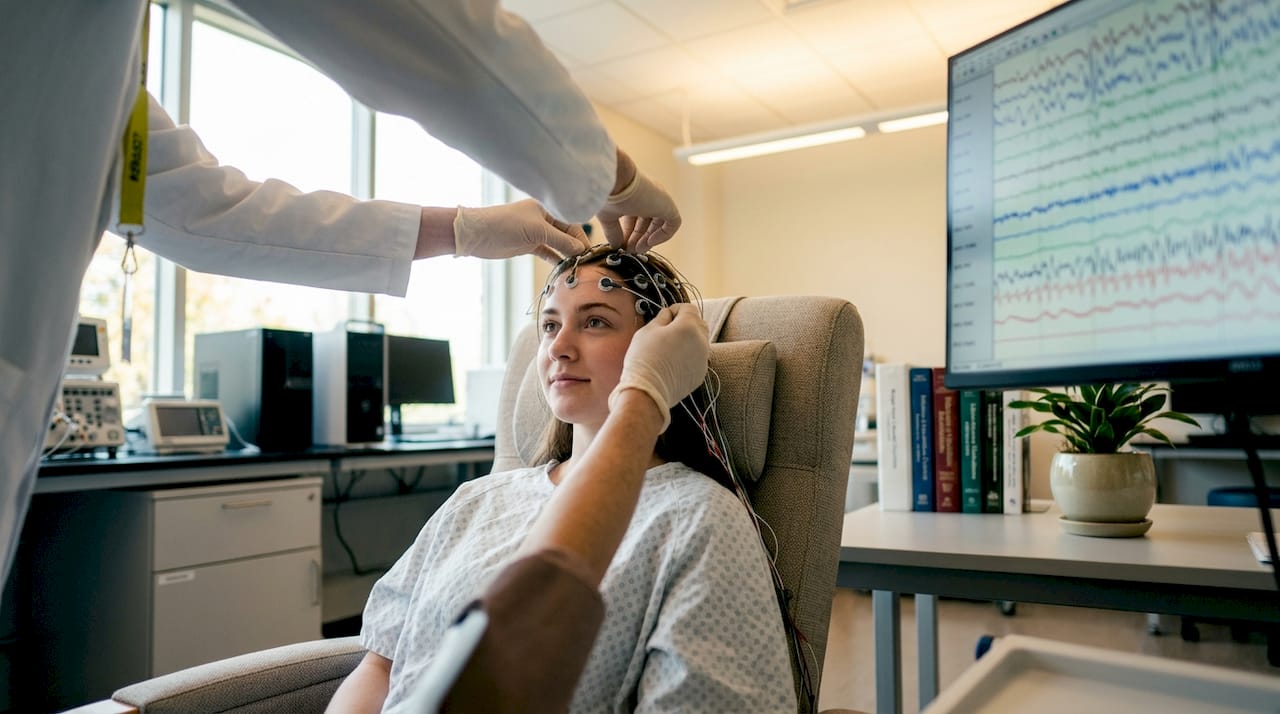
Phonological awareness, the ability to hear and manipulate the sound units of a language, is one of the clearest transfer benefits. Musicians who train by ear develop a refined sensitivity to subtle sound differences. That sensitivity maps directly onto the ability to distinguish phonemes in a new language, a skill that many adult learners find frustratingly difficult.
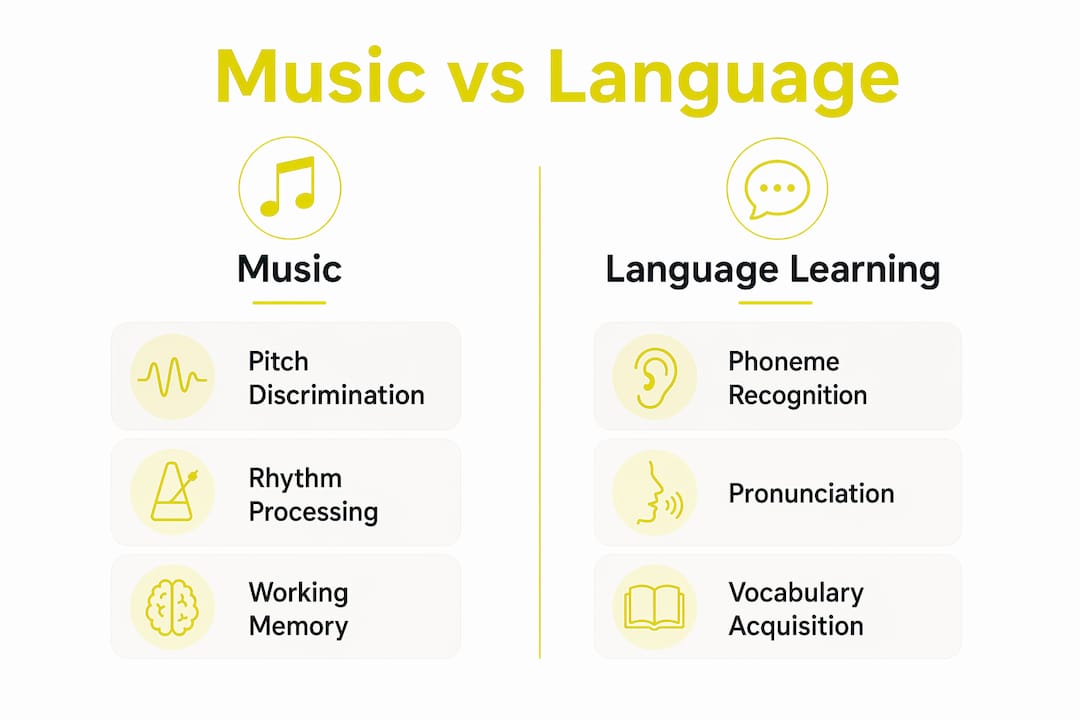
The table below compares how key cognitive skills function in music versus language learning.
| Cognitive skill | In music | In language learning |
|---|---|---|
| Auditory discrimination | Distinguishing pitch, timbre, and rhythm | Distinguishing phonemes and tones |
| Working memory | Holding melodic phrases while performing | Retaining grammar structures mid-sentence |
| Inhibitory control | Suppressing wrong notes under pressure | Blocking interference from the native language |
| Prosodic sensitivity | Feeling the shape and timing of a phrase | Reproducing natural speech rhythm and stress |
| Pattern recognition | Identifying chord progressions and form | Recognizing grammatical structures and word order |
One important nuance: the cognitive demands in music and language are not identical. Musicians who assume their skills transfer automatically can hit unexpected walls, particularly in grammar and functional vocabulary. The advantage is real, but it requires deliberate application.
Pro Tip: Use ear training software you already know to practice phoneme discrimination in your target language. Treat minimal pairs, words that differ by one sound, like interval recognition exercises. The mental framework is the same.
Why does music make language learning less stressful?
Anxiety is one of the biggest barriers to language acquisition. Adult learners freeze up when asked to speak, fear making mistakes, and avoid the kind of risky, experimental practice that actually builds fluency. Music removes that barrier. Structured musical input creates a low-anxiety environment that increases participation and helps learners segment language into manageable units through repetition and melody.
Songs work because they package language inside an emotional and cultural frame. When you learn vocabulary through a lyric you love, the word carries emotional weight. That emotional encoding strengthens retention in ways that flashcard drills cannot replicate. The educational benefits of music for language learners extend beyond pronunciation into vocabulary depth and cultural fluency.
Musicians also bring a performer’s mindset to language practice. They treat a conversation in a foreign language the way they treat a live performance: as an iterative, improvised act where mistakes are part of the process. That creative approach to language learning, viewing it as performance rather than examination, produces the kind of nuanced, experimental practice that builds real fluency.
- Music reduces the social stakes of making errors, because singing a wrong word feels less embarrassing than speaking one.
- Repetition in songs is built-in, so learners rehearse phrases naturally without feeling like they are drilling.
- Cultural context in lyrics gives vocabulary meaning beyond the dictionary definition.
- The emotional resonance of a favorite song creates a memory anchor that makes words stick.
Practical strategies for musicians to accelerate language acquisition
Knowing the science is useful. Applying it is what actually moves the needle. These strategies are built specifically for musicians who want to use their existing skills to learn a language faster.
-
Mimic pitch and rhythm before meaning. When you hear a new phrase in your target language, reproduce its melody first. Ignore the words temporarily and focus on the contour of the sentence. This trains prosodic accuracy before grammar gets in the way.
-
Use sensorimotor repetition methods. Embodied practice, repeating a phrase while tapping its rhythm or moving to its beat, encodes language in motor memory. This is the same mechanism that makes a practiced scale feel automatic.
-
Balance lyric-based learning with functional language. Vocabulary gaps from lyric learning are a real risk. Musicians often excel in poetic and idiomatic language but struggle with everyday functional phrases. Supplement song-based study with conversational practice and practical vocabulary lists.
-
Apply your ear training to phoneme discrimination. Treat the sounds of your target language as a new tonal system. Practice distinguishing minimal pairs the way you would practice distinguishing intervals. Precision listening is a transferable skill.
-
Engage in chanting and body percussion with target-language phrases. Chanting a sentence to a rhythm pattern locks in its stress structure. This is especially effective for tonal languages like Mandarin or pitch-accent languages like Japanese.
-
Practice with song-based learning tools that pair lyrics with vocabulary cards and pronunciation feedback. This keeps the musical frame intact while adding the functional language layer that pure lyric study misses.
Pro Tip: Treat your target language like a new genre. Spend two weeks immersed in music from that culture before you study a single grammar rule. Your ear will calibrate to the sound system, and grammar will feel less foreign when you get to it.
Key Takeaways
Musicians learn languages faster because their auditory training, rhythmic sensitivity, and working memory directly support the core processes of phonological awareness, prosody reproduction, and vocabulary retention.
| Point | Details |
|---|---|
| Rhythmic sensitivity drives pronunciation | Rhythm perception predicts how accurately learners reproduce foreign language stress and intonation. |
| OPERA hypothesis explains the transfer | Overlapping neural networks for music and language mean musical training directly strengthens speech processing. |
| Low anxiety accelerates participation | Music creates an emotional frame that reduces speaking anxiety and increases practice frequency. |
| Vocabulary gaps need active management | Lyric-based learning builds idiomatic range but requires supplementation with functional, conversational vocabulary. |
| Embodied practice encodes language in motor memory | Chanting, body percussion, and pitch mimicry lock pronunciation into physical memory, not just cognitive recall. |
Music and language: what years of listening taught me
The conventional wisdom says musicians have an advantage in language learning, and that is true. What the research does not always say clearly is that the advantage is raw material, not a finished product. I have watched musicians coast on their ear training and plateau badly because they never built a grammar foundation. The ear gets you into the room. Grammar and vocabulary keep you there.
The most effective musician-learners I have seen treat language the way they treat a new instrument. They accept that they will sound terrible at first. They practice in short, focused sessions. They seek out feedback from native speakers the way a student seeks feedback from a teacher. They do not wait until they feel ready to perform. They perform first and refine afterward.
The other thing worth saying: casual musical engagement counts. You do not need to be a trained musician to benefit from these cognitive advantages. If you listen to music attentively, if you notice rhythm and pitch, if you sing along even badly, you are already building the auditory sensitivity that accelerates language learning. The research from the University of Talca makes this explicit: general rhythmic ability, not just formal training, predicts pronunciation accuracy.
Language learning is an artistic act. Treat it like one.
— Ben
Singwithcanary: where music meets language practice
Singwithcanary is built on the same principle this article describes: musical engagement accelerates language acquisition in ways that traditional study cannot replicate.
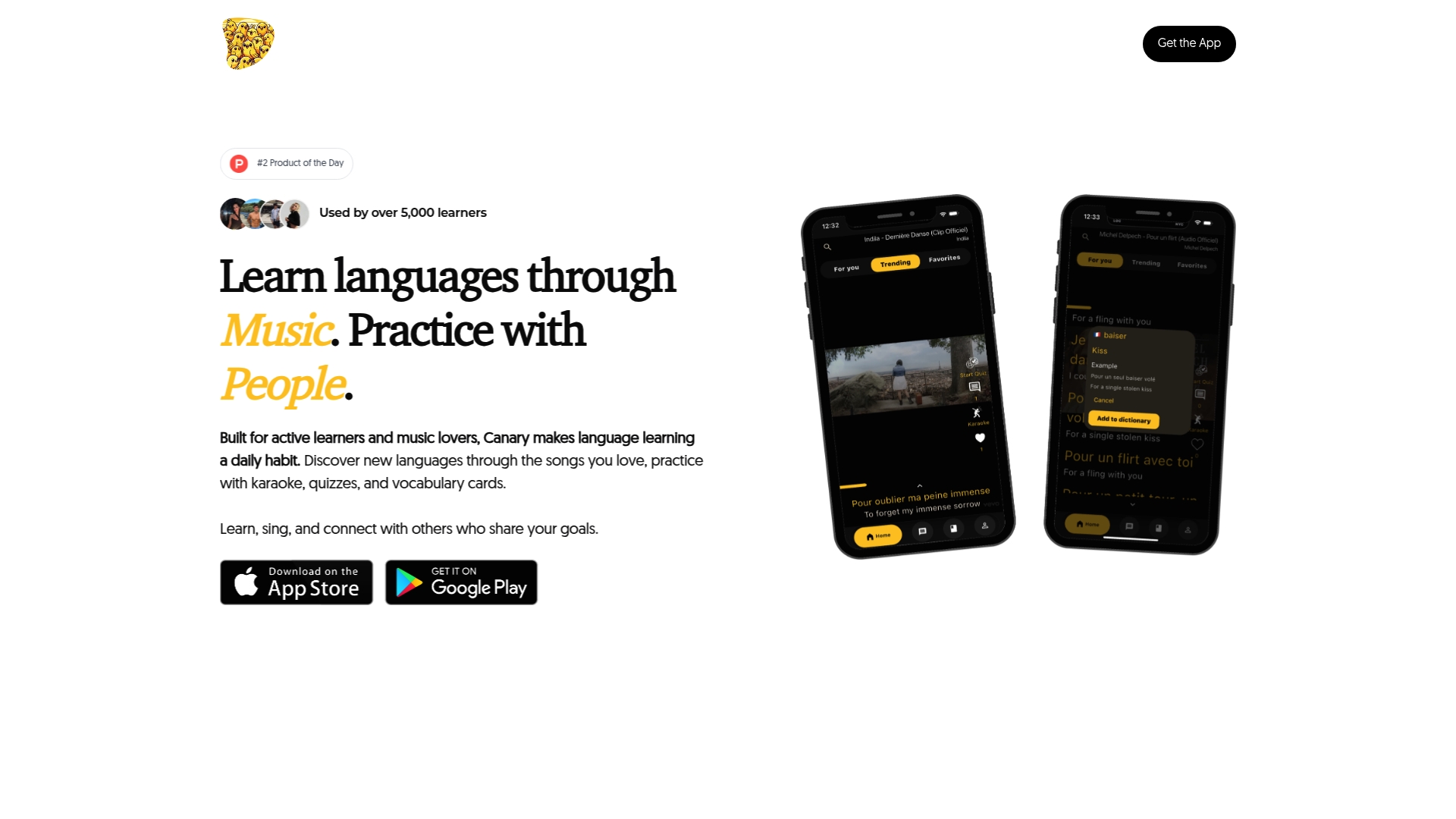
The platform combines karaoke-style lyric practice, vocabulary cards, and pronunciation quizzes inside a social learning environment where you practice with real speakers from around the world. For musicians, it is a natural fit. The ear training you already have gets applied directly to real language in context. For music enthusiasts who are not formally trained, the song-based format builds the rhythmic and phonological sensitivity that gives musicians their edge. Learn languages with music on Singwithcanary and put your musical instincts to work on a new language today.
FAQ
Why do musicians learn languages faster than non-musicians?
Musicians develop enhanced auditory processing, rhythmic sensitivity, and working memory through training. These skills directly support phonological awareness, pronunciation accuracy, and grammar acquisition in a new language.
Does casual music listening help with language learning?
Research from the University of Talca confirms that general rhythmic ability, not just formal training, predicts pronunciation accuracy. Attentive listening and singing along both build the auditory sensitivity that accelerates language learning.
What is the OPERA hypothesis?
The OPERA hypothesis, introduced by Aniruddh Patel in 2011, explains that music and language share overlapping neural networks. Musical training strengthens these shared circuits, which then improve speech processing and phonological skills.
Can song-based learning cause vocabulary gaps?
Lyric-focused learning builds strong idiomatic and poetic vocabulary but can leave gaps in functional, everyday language. Experts recommend balancing song-based methods with conversational practice and practical vocabulary study.
How can musicians use their skills to improve pronunciation?
Musicians can mimic the pitch contour and rhythm of target-language phrases before focusing on meaning, use body percussion to encode stress patterns, and apply ear training techniques to phoneme discrimination in the new language.